
Most organizations don’t fail at strategy; they fail to translate strategic choices into realistic operating models that teams can execute. Alignment Leaders® hold the enterprise lens, orchestrating choices about where to play and how to win, then converting those choices into work, structure, governance and talent implications. But no Alignment Leader can do this alone. The HR Business Partner (HRBP) is the strategic muscle that makes alignment real and sustainable.
HRBPs: From Support to Strategy
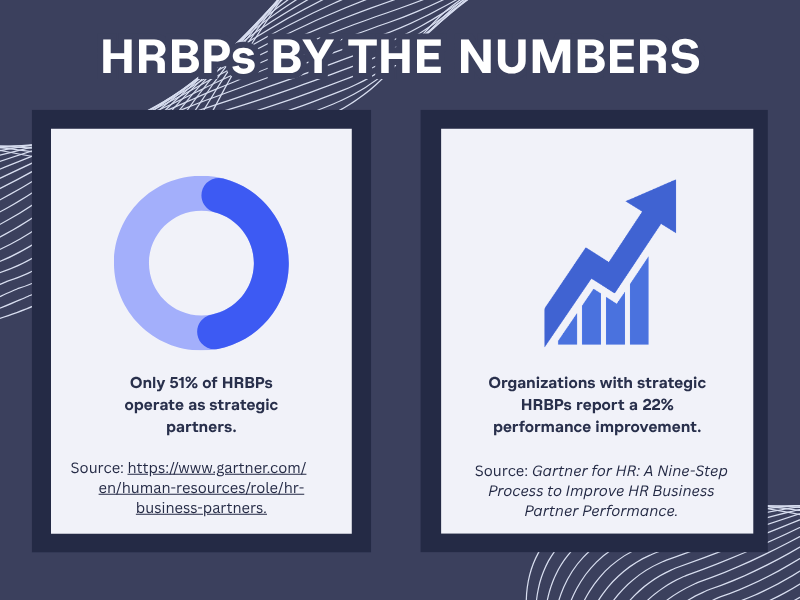
Research shows the HRBP role is at an inflection point. Only about half of stakeholders perceive HRBPs as truly strategic, with many HRBPs consumed by transactional demands. Yet, when HRBPs function as strategic advisors—using data, organization design (OD) tools and change leadership, the gains are tangible: stronger performance, healthier organizations and faster execution of strategic priorities.
The opportunity to use your HRBPs as a stronger asset is clear: shift them from support to strategy, build OD capability and formalize a partnership model where HRBPs help Alignment Leaders win across design and activation.
One of the best ways HRBPs can support Alignment Leaders is by helping translate strategy into an operating system. This means:
- Clarifying the strategic problem to solve
- Identifying differentiating capabilities
- Making structural and governance choices
- Activating change so behaviors, roles and decisions reflect the new design
To deliver this, Alignment Leaders need HRBPs who can:
- Read the systems: detect misalignment across strategy, work, structure, metrics and culture.
- Shape design: use OD tools to connect strategic intent to operating model choices.
- Orchestrate activation: coach leaders, sequence role changes and guide communications so the design sticks.
The Value of a Strategic Partnership
Engaging HRBPs as a strategic partner seems like an obvious solution, but the reality is more complicated. Most HRBPs find themselves devoting the majority of their time to handling personnel issues and daily operations.
Despite the challenges, organizations that can make the shift from generalist support to strategic talent advisor see tangible benefits:
- Improved organizational health: Organizations with capable, strategic HRBPs report higher employee performance and improved financial outcomes — a 2020 Gartner guide reported that businesses with strategically effective HRBPs improved employee retention by 24%, performance by 22%, profitability by 9% and revenue growth by 7%.1 These outcomes show up when HRBPs are embedded early in strategy planning and design—not just involved post-decision.
- Maintained momentum: Experience has shown that HRBPs can serve as a “secret weapon” during and after design, sustaining momentum during implementation, where most transformations falter.
The evidence is clear. When HRBPs and Alignment Leaders work closely together, they play a critical role in keeping an organization healthy and ensuring it meets its strategic goals.
HRBPs in Action
The role of Alignment Leaders is to make choices. HRBPs are then responsible for converting those choices into human systems that perform. We’ve outlined six concrete contributions HRBPs can provide to support Alignment Leaders:
1. Create clear design criteria and tradeoffs
- Work with leaders to set clear rules for design that support strategy, considering factors like speed vs. specialization and customer proximity vs. scale.
- Make tradeoffs clear so structure and decision rights reinforce, rather than dilute, the strategic bet.
2. Apply the design to the operating model and structure
- Translate strategy into work by determining what differentiates the organization and what should be done as efficiently as possible.
- Inform organizing rationale, spans/layers and linkage mechanisms; pressure-test where centralization/decentralization supports capability flow.
3. Determine decision rights and governance
- Map critical decisions and decide who makes the call. Set up simple, transparent decision-making mechanisms to prevent bottlenecks.
- Build leader routines (cadence, forums, metrics) that maintain alignment without adding bureaucracy.
4. Define capabilities and set workforce strategy
- Define mission-critical capabilities; shape staffing, decide whether to build talent internally, hire it or bring it in temporarily, and create focused training.
- Partner with COEs to align rewards, career paths and mobility with the new operating model.
5. Set metrics and track organizational health
- Construct a small, visible scorecard linking design intent to outcomes (cycle time, quality, customer impact, cost).
- Track adoption and health markers such as how fast decisions get made, how clear people are on their roles, and how often work must be redone. Use these signals to make quick adjustments.
6. Help leaders support the change
- Prepare leaders to “live the design” through active support, clear messaging and the small everyday behaviors that reinforce strategy.
- Plan the timing of role changes and communications. Create an environment where people feel safe asking questions and can raise issues quickly.
Putting It Into Practice: A Partnership Model That Works
Alignment Leaders also have an important role to play when it comes to supporting HRBPs in their strategic role. They can catalyze HRBP impact by:
- Treating their HRBP like the chief organizational strategist. This means asking for an explicit point of view on structure, decision flows and capability bets before approving designs.
- Investing in HRBP capability. By funding OD training and providing access to playbooks, they create a safe space for HRBPs to facilitate design debates and challenge assumptions.
Equipped HRBPs do not just “support” change; they architect alignment. They ensure the operating model reinforces the strategic bet, leaders live the design and the organization sustains the change long after workshops end. In a world where strategy cycles shorten and talent markets tighten, that capability is not a luxury—it is a competitive advantage.
If you want alignment that lasts, elevate your HRBP function. Clarify the operating model, build OD capability, embed HRBPs early in strategy and measure design health with discipline. Do that and your HRBPs will become the strategic muscle behind your Alignment Leadership—turning intent into impact, at speed and at scale.
Check back here or follow us at linkedin.com/company/alignorg-solutions for part 2 of this three-part blog series.